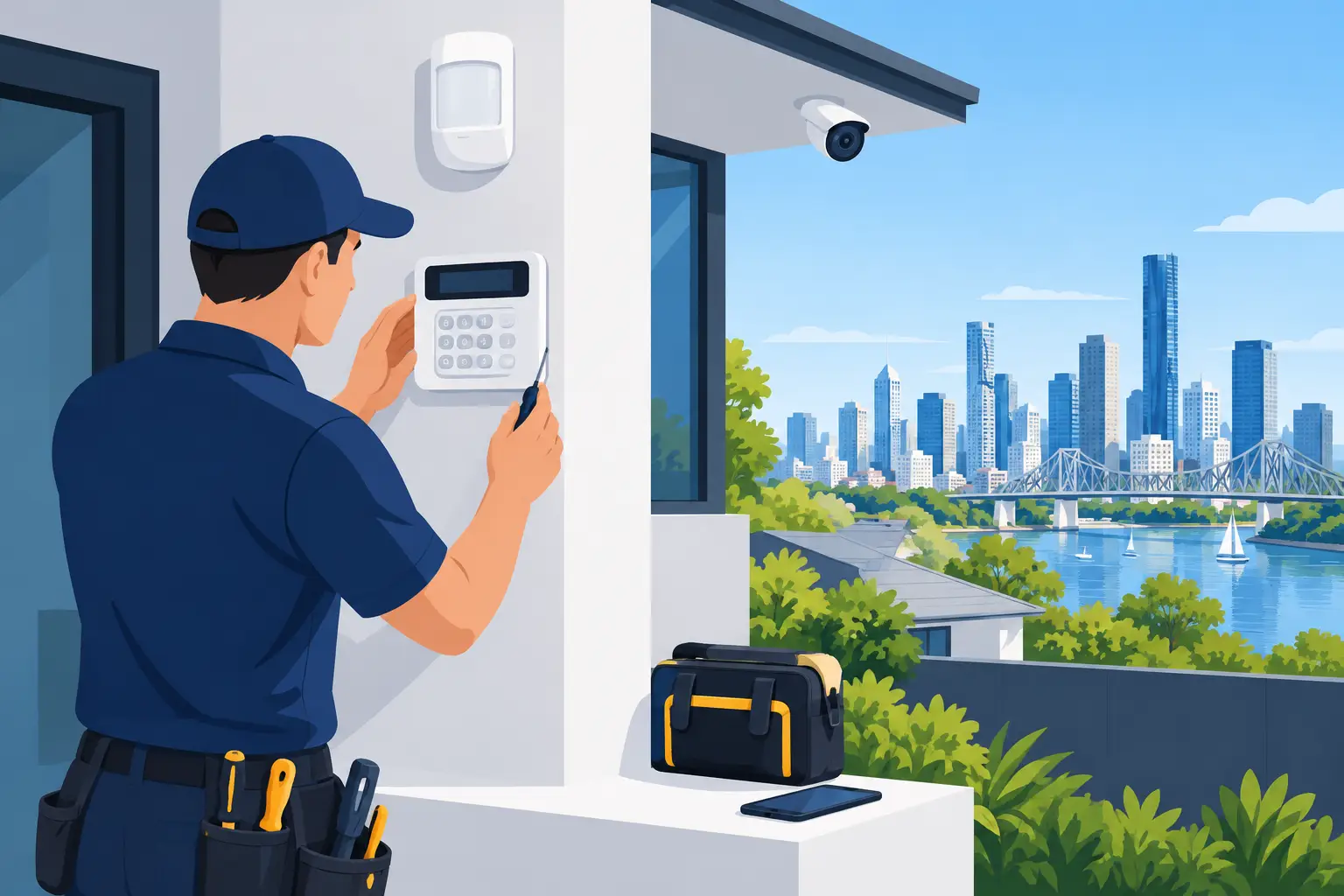
A smoke alarm that chirps, has yellowed with age or sits alone in one hallway is not a minor maintenance job. It may leave your family without the warning time they need, and it may not meet Queensland requirements. Proper alarm installation is about more than putting a device on the ceiling. It is about placing the right photoelectric alarms in the right locations, interconnecting them correctly and making sure the system is built to last in Brisbane’s humidity.
Why alarm installation is not a DIY shortcut
The cheapest alarm on a hardware-store shelf can look like a quick fix. The problem is that many low-cost replacements do not suit the property, do not interconnect with other alarms or are installed in the wrong place. A smoke alarm is only useful if it detects danger early and wakes everyone in the home, including people behind closed bedroom doors.
Queensland’s smoke alarm rules are strict for good reason. Smoke can move quickly through a home, particularly at night when people are asleep. Photoelectric alarms are designed to detect slow, smouldering fires earlier than older ionisation-style units. That extra warning can mean the difference between getting out safely and being trapped by smoke.
A licensed electrician does more than fit alarms. They assess the layout, identify the required locations, check the existing wiring where relevant and ensure the alarms communicate as intended. If one alarm activates, the others should sound too. That is what gives a household the best chance of hearing the warning wherever they are.
Queensland smoke alarm compliance: what applies to your home?
The requirements depend on whether you live in the property, are selling it or are renting it out. The rules also take account of when the home was built and whether hardwiring is practicable. That is why copying a neighbour’s setup or replacing one alarm at a time is risky.
For homes being sold, leased or having a lease renewed in Queensland, the smoke alarm system must meet the current prescribed standard. This generally means photoelectric alarms that are interconnected and installed in every bedroom, in hallways connecting bedrooms to the rest of the dwelling and on every level of the home. Alarm locations must also comply with the relevant Australian Standard.
Owner-occupied homes have a staged deadline, with full requirements applying from 1 January 2027. Waiting until the last minute is not always the money-saving move people expect. Older alarms can fail without warning, and a rushed upgrade before a sale or new tenancy can create unnecessary pressure.
If your property has hardwired alarms, replacement choices matter. Hardwired photoelectric alarms with battery backup are often the right solution where wiring is present or required. In other homes, high-quality 10-year lithium battery alarms may be appropriate. The right answer depends on the property, not on whichever product happens to be on special.
What a compliant smoke alarm system should do
A compliant setup is not simply a collection of alarms. It is a system designed around the people who sleep in the home.
First, every alarm should be photoelectric. These are the preferred alarm type under Queensland requirements because they provide earlier warning for common smouldering fires. Second, alarms need to be positioned correctly. A unit outside a bedroom zone may not give occupants behind a closed door enough warning.
Third, the alarms need to interconnect. When smoke is detected in the laundry, garage-adjacent hallway or living area, the alarm in every required bedroom area should sound. Wireless interconnection can be a practical option in existing homes where running new cabling would be disruptive, while hardwired interconnection may suit other properties.
Finally, the equipment has to be reliable. Brisbane and South East Queensland humidity can be hard on cheap alarms and low-grade batteries. A system that constantly nuisance-alarms, chirps at 2 am or fails early becomes a system people ignore. That defeats the point.
The alarm installation process, without the guesswork
A professional installation should be straightforward. It starts with a clear look at the property layout, including bedrooms, hallways, levels, existing alarms and available electrical wiring. This matters in Queenslanders, townhouses, apartments and large family homes alike. No two floor plans are exactly the same.
The electrician then recommends a compliant configuration using quality photoelectric alarms. If hardwired options are suitable, the work is completed by a licensed electrician with battery backup included. If wireless interconnection or 10-year lithium battery alarms are more appropriate, those options should still be assessed against the home’s compliance needs.
Once fitted, every alarm is tested. Interconnection is checked, homeowners or property managers are shown what the test function does, and the completed work is documented. For a sale, tenancy or lease renewal, having clear evidence that the system has been installed correctly removes a major compliance headache.
There is a trade-off worth understanding. Battery alarms can reduce installation disruption in some existing properties, while hardwired alarms can be the better long-term choice where suitable wiring is available. Neither option should be selected on price alone. The location, age and construction of the home all matter.
Signs your smoke alarms need attention now
Do not wait for a property sale, routine inspection or lease renewal to find out the alarms are outdated. A smoke alarm is not a fit-and-forget device.
Book an assessment if your alarms are more than 10 years old, if they are ionisation alarms, if only one alarm sounds when tested, or if bedrooms do not have the required protection. Repeated chirping, discolouration, cracked covers and unexplained false alarms are also warning signs. So is uncertainty. If you cannot confidently say what type of alarms you have, how old they are or whether they interconnect, it is time to check.
Landlords and agents should be particularly careful. The cost of correcting a non-compliant setup at short notice is often higher than organising the work before a new tenancy. Home sellers should take the same approach. Buyers are increasingly alert to smoke alarm compliance, and it is one less issue to negotiate under pressure.
Why cheap replacements often cost more
A bargain alarm can become expensive when it fails early, cannot interconnect, does not meet the required standard or has to be replaced again before long. Add another call-out, another installation fee and the risk of a failed compliance check, and the initial saving disappears quickly.
Quality products and proper installation cost more than a quick ceiling swap because they provide a better result: compliant locations, reliable interconnection, suitable power arrangements and alarms chosen for local conditions. That is what you are paying for. Not a plastic device on the ceiling, but an early-warning system for the people under your roof.
The Smoke Alarm Sparky installs Queensland-compliant systems using premium products selected for long-term reliability, backed by a 10-year full replacement warranty. That warranty matters because it removes the usual uncertainty around products that do not last in humid conditions. You should not have to pay twice because an installer chose the cheapest option first time around.
Get the job sorted before it becomes urgent
Smoke alarm compliance is easy to put off because the alarms are quiet most of the time. But quiet does not mean protected. A working, interconnected photoelectric system is there for the one moment when you cannot afford a delay.
If your home is being sold, rented, renewed or simply overdue for an upgrade, organise a licensed assessment and get a clear quote before the deadline is on top of you. The right alarm installation gives you more than a certificate or a tick on an inspection report. It gives every person in the home a better chance to wake up, get out and stay safe.