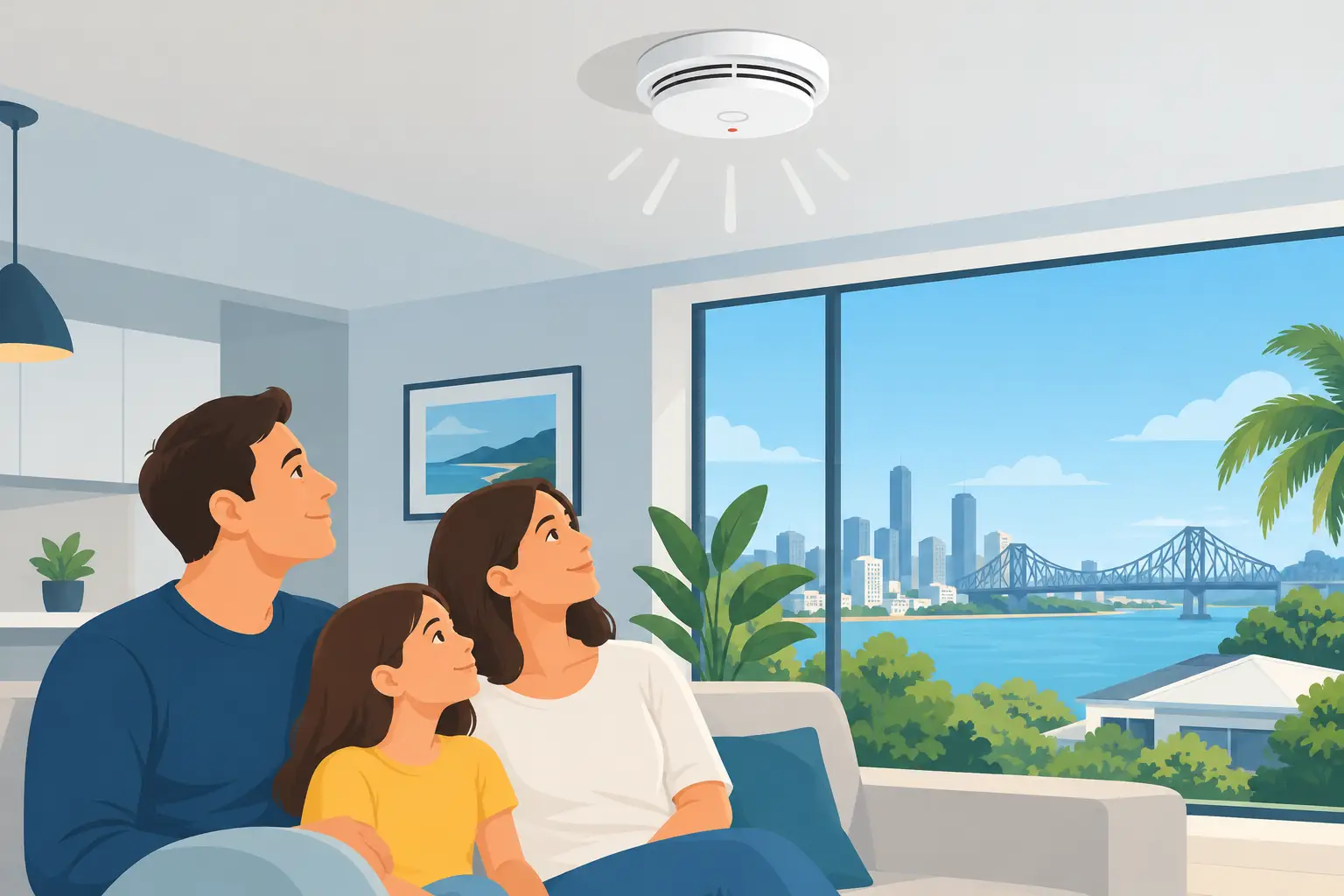
A smoke alarm sitting on the ceiling does not automatically mean your home is protected or compliant. In Queensland, the answer to are smoke alarms mandatory is yes - but the exact standard depends on whether you are selling, renting, renewing a lease, building, or simply living in an older owner-occupied home.
That distinction matters. A single old alarm in the hallway may have once been enough. It may now leave a landlord, seller or property owner exposed to a failed inspection, a delayed settlement, an insurance headache or, far worse, a family without enough warning to escape a house fire.
Are smoke alarms mandatory in Queensland?
Yes. Every Queensland home must have smoke alarms. However, Queensland has staged its smoke alarm laws, which is why there is still confusion about what is required in different properties.
The strict modern standard already applies to homes being sold, leased or having a lease renewed. It also applies to new homes and substantially renovated homes. By 1 January 2027, the same upgraded requirements will apply to all owner-occupied homes as well.
For Brisbane, Logan, Redland and surrounding South East Queensland property owners, the practical message is simple: do not wait until a sale, tenancy or emergency forces the issue. If your alarms are old, isolated, ionisation type, missing from bedrooms or running on replaceable batteries, they need a proper compliance check.
When Queensland’s full smoke alarm rules apply
Queensland’s requirements are not a suggestion. They are part of the legal safety standard for residential properties.
Selling a home
If you sell a Queensland home, the property must meet the current smoke alarm requirements before settlement. This includes houses, units, townhouses and other residential dwellings.
Trying to deal with alarms at the last minute is a common mistake. Sellers often discover that the alarms are the wrong type, more than 10 years old, not interconnected, installed in the wrong locations or not hardwired where they should be. A quick hardware-store replacement is not always the answer, particularly when electrical work is involved.
Renting or renewing a lease
Landlords must ensure a rental property meets the full Queensland standard before a new tenancy starts or an existing lease is renewed. Tenants also have responsibilities to test alarms and replace replaceable batteries where applicable, but the owner remains responsible for providing a compliant system.
This is not an area for cheap shortcuts. A low-cost alarm that does not suit the property, does not meet the required standard or fails early in Brisbane humidity can create repeat call-outs and unnecessary risk. Reliable alarms and correct installation cost less than fixing a failed compliance issue twice.
Owner-occupied homes
Owner-occupied homes are not exempt from having smoke alarms. At a minimum, homes must have smoke alarm protection. The full interconnected, photoelectric standard becomes mandatory for all owner-occupied Queensland homes from 1 January 2027.
That deadline may sound distant, but it is close enough to plan now, especially if your home has multiple bedrooms, more than one storey, ageing hardwired alarms or a mix of alarm types. Upgrading early gives you time to choose a quality system instead of rushing into whatever is available when the deadline arrives.
What makes a smoke alarm system compliant?
For properties subject to Queensland’s full smoke alarm requirements, alarms must be photoelectric, comply with the relevant Australian Standard, be less than 10 years old and be interconnected. When one alarm activates, every connected alarm should sound.
They must also be powered correctly. Depending on the home and the installation method, that generally means hardwired smoke alarms with a secondary battery backup, or approved alarms powered by a non-removable 10-year battery.
Interconnection is one of the biggest safety upgrades. A fire beginning in the kitchen, garage or living area can trigger alarms in bedrooms at the other end of the home. That extra warning time matters most at night, when doors are shut and people are asleep.
Where alarms need to be installed
Location is just as important as the alarm itself. Under the current Queensland standard, smoke alarms are generally required on every storey, in every bedroom, and in hallways that connect bedrooms to the rest of the home.
Where there is no hallway, alarms must be positioned between the bedrooms and the rest of that storey. In homes without bedrooms on a level, an alarm is required in the most likely path of travel to an exit.
This is why a one-alarm solution is rarely enough for a family home. A typical three-bedroom single-storey house may need several alarms. Two-storey homes, larger floorplans, granny flats and dual-living properties need particular care. The layout decides the alarm locations, not guesswork.
The costly mistakes Brisbane property owners make
The most common problem is assuming any smoke alarm is acceptable. It is not. Older ionisation alarms, standalone alarms, alarms with removable batteries and alarms that have passed their 10-year service life may not meet the required standard for your situation.
Another mistake is replacing only the alarm that chirps. A chirping unit may signal a flat battery, contamination, a fault or end of life. If the rest of the system is the same age, replacing one alarm can leave you with mismatched equipment and another issue next month.
Homeowners also sometimes install alarms too close to kitchens, bathrooms, fans or air-conditioning outlets. Poor placement can lead to nuisance alarms, and nuisance alarms encourage people to disable them. A disabled alarm offers no protection at all.
Finally, electrical work should not be treated as a DIY job. Hardwired smoke alarm installation and interconnection need to be completed properly by a licensed electrician. It protects your household, preserves the integrity of the system and gives you confidence that the work has been done to the required standard.
Why photoelectric and interconnected alarms are the right choice
Queensland’s move towards photoelectric, interconnected smoke alarms is based on real household risk. Photoelectric alarms are designed to detect the smoke from slow, smouldering fires - the type that can build unnoticed while a family sleeps.
Interconnection deals with another real-world problem: distance. An alarm sounding in a remote part of a home may not wake someone behind a closed bedroom door. When every alarm sounds together, the warning reaches the people who need it.
Quality also matters in South East Queensland. Heat, moisture and humidity put pressure on electrical products. Choosing proven, compliant alarms with long-life power options can reduce false alarms, failures and premature replacement. The cheapest option at the counter is not always the cheapest over the life of the system.
What to do if you are unsure about your alarms
Start with the basics. Check the manufacture date on every alarm, not just the battery. If an alarm is 10 years old or older, it needs replacement. Test each alarm using its test button and check whether all alarms sound together. Then look at the layout: are bedrooms covered, is each level protected, and are the units photoelectric?
If you are selling, leasing or renewing a lease, arrange a professional assessment before the deadline is on top of you. A licensed smoke alarm specialist can identify what is installed, what is missing and whether hardwiring or interconnection is required for your property.
The Smoke Alarm Sparky helps Brisbane and South East Queensland property owners install Queensland-compliant photoelectric alarm systems built for long-term reliability, not a temporary fix. The right system is one that protects your family, meets the rules and will not leave you scrambling when a property transaction or lease date arrives.
A smoke alarm is a small device with a serious job. Get the locations, power source, age and interconnection right now, and your home is better prepared for the moment nobody expects.