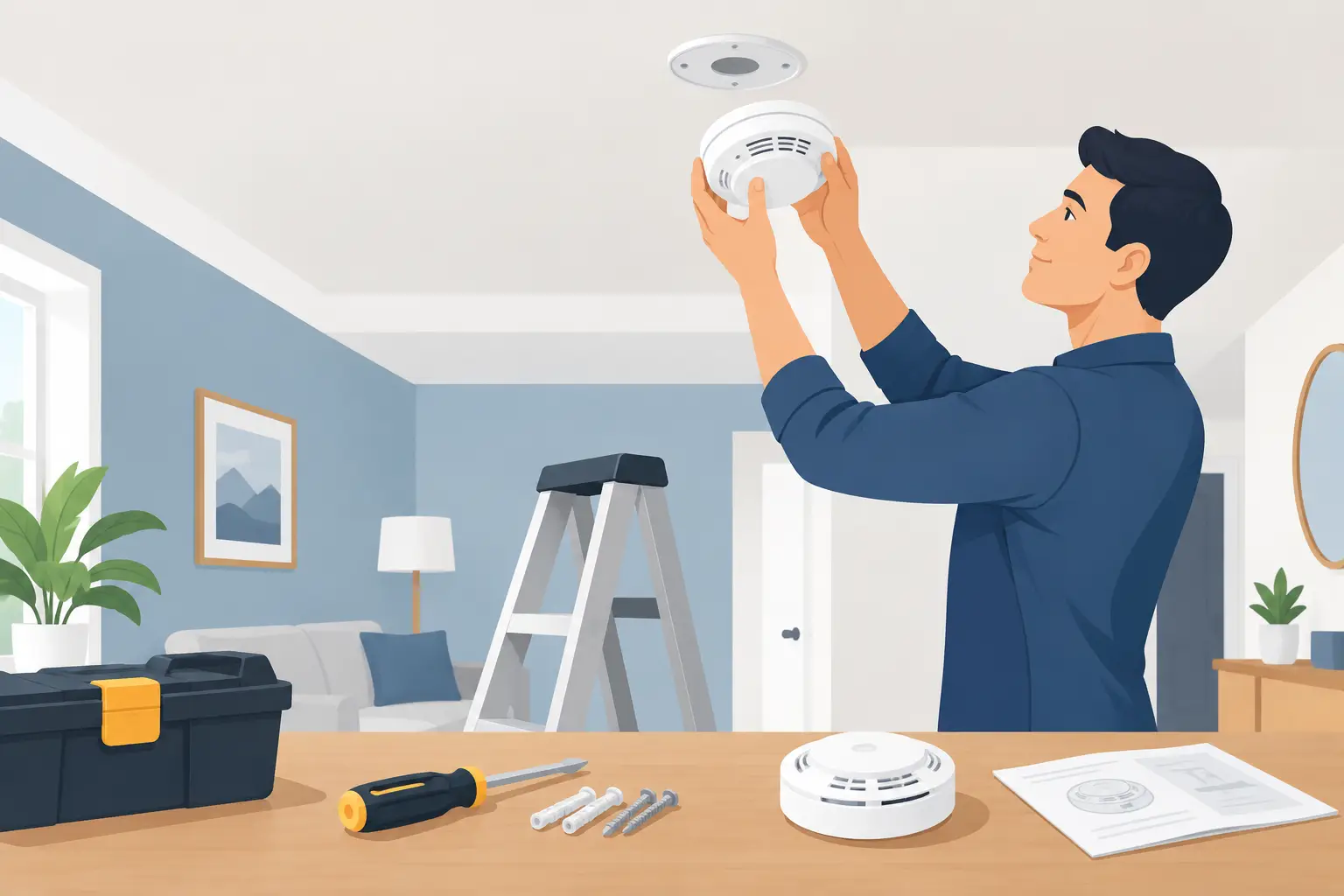
A smoke alarm only protects your family if it is installed in the right place, powered correctly and working when smoke enters the home. This smoke alarm installation preparation guide helps Brisbane homeowners, landlords and sellers get ready for a compliant upgrade without delays, guesswork or cheap alarms that struggle in Queensland humidity.
The good news: preparation is simple. You do not need to become an electrical expert or start pulling alarms off the ceiling. You just need to know what information your electrician needs, clear safe access to key areas and avoid the common shortcuts that leave properties non-compliant.
Start with the Queensland compliance standard
Queensland smoke alarm rules are strict for good reason. Since 1 January 2022, homes being sold, leased or having a lease renewed must meet the prescribed smoke alarm requirements. In most cases, that means photoelectric alarms that are interconnected, installed in every bedroom, in hallways connecting bedrooms to the rest of the home, and on every storey.
The exact work required can depend on your property type, its age, existing wiring and whether it is owner-occupied, rented or being prepared for sale. A detached house, townhouse, unit and investment property can present different installation conditions. Do not assume that adding one battery alarm in the hallway solves the problem. It often does not.
Photoelectric alarms are the required standard in Queensland because they are designed to detect smouldering fires earlier. Interconnection matters just as much. When one alarm detects danger, all connected alarms sound. That gives people sleeping behind closed doors a much better chance of hearing the warning and getting out.
Check your current setup before the electrician arrives
Walk through the property and take a quick look at every existing alarm. You are not assessing technical compliance yourself. You are giving the electrician a useful starting point.
Make a note of how many alarms are installed, where they are located and whether any chirp, flash unexpectedly or regularly set off when you cook. If an alarm has a yellowed casing, is marked with an old manufacture date, has missing covers or has been painted over, mention it. Smoke alarms have a service life, and a unit that looks fine from the floor may still be overdue for replacement.
If you have paperwork from a previous installation, keep it handy. This may include an electrical certificate, alarm model details, a tenancy report or a real estate compliance notice. It can help identify whether your home has hardwired alarms, standalone battery units or a mixture of both.
Do not remove alarms, cut wiring or attempt to swap a hardwired unit yourself before the visit. Hardwired smoke alarms are electrical work. A licensed electrician should assess and carry out that work safely.
Know where the difficult areas are
Older Brisbane homes can hide surprises above the ceiling. High raked ceilings, stairwells, enclosed verandahs, split levels, converted garages and extensions may all affect access and placement. Let the electrician know in advance if your home has any of these features.
The same applies to homes with solar systems, security systems, air-conditioning controls or other ceiling-mounted equipment. These do not automatically create a problem, but they may affect cable routes and installation planning. Straight answers upfront lead to an accurate quote and fewer hold-ups on the day.
Prepare clear access, not DIY solutions
Your electrician needs safe access to bedrooms, hallways, living areas and ceilings where alarms are being assessed or installed. A small amount of preparation makes the appointment faster and protects your belongings.
Before the visit, complete these practical jobs:
- Move beds, tall furniture and stored boxes away from alarm locations where possible.
- Keep pets secure, particularly if alarms may be tested loudly.
- Let the electrician know about any locked rooms, tenant access restrictions or body corporate requirements.
- Clear a path to the switchboard and advise of any known electrical faults or tripping circuits.
- Have a safe ladder option available only if requested, but do not climb into the roof space yourself.
You do not need to empty every room. The aim is simply to avoid a technician having to reach over wardrobes, work around stacked storage or delay the job because a bedroom cannot be accessed.
If you are a landlord or property manager, confirm tenant attendance and access before booking. Compliance cannot be properly completed if required rooms are locked or unavailable. For a sale settlement or lease renewal deadline, leave yourself enough time to fix unexpected issues rather than booking at the last minute.
Decide what outcome you need
A smoke alarm upgrade is not always a like-for-like replacement. In many homes, the right solution is a complete compliant system rather than replacing the one alarm that is chirping.
Hardwired photoelectric alarms with battery backup are a strong long-term option where wiring can be installed. They remain powered by the home’s electrical supply and retain backup protection during a power outage. Interconnected systems ensure every compatible alarm activates together.
In some existing homes, high-quality 10-year lithium battery alarms may be appropriate. This can reduce disruption where wiring is difficult, but it must still meet the applicable Queensland requirements and be installed in the correct locations. The cheapest alarm on the shelf is rarely the cheapest ownership decision when it fails early, cannot interconnect properly or needs replacing again soon.
Humidity is another local consideration. Brisbane and South East Queensland conditions are hard on low-grade electronics. False alarms, corrosion and premature failure are more than annoyances. They train people to ignore an alarm or remove its battery, which defeats the entire safety system. Choose products designed for reliable local performance and have them fitted properly.
Tell the electrician about past alarm problems
False alarms are useful clues. If the kitchen alarm activates every time someone cooks, do not solve it by disabling the alarm. Tell the electrician exactly when it happens. Placement, alarm type, ventilation and distance from cooking appliances all need consideration.
Also mention alarms that chirp overnight, units that have gone silent, recent renovations and any rooms that have changed use. A former study may now be a bedroom. A renovated garage may be used for sleeping. Smoke alarm rules apply to how the home is actually used, not simply what a room was called on an old floor plan.
If someone in the household has hearing loss, young children, mobility limitations or a bedroom at the far end of the house, raise that too. Interconnected alarms are a baseline compliance and safety measure, but the layout of the household should guide sensible advice about the system.
What a proper installation appointment should include
A professional smoke alarm installation is more than drilling into plaster and pressing a test button. Your electrician should assess the dwelling layout, confirm suitable locations, install compliant alarms and test the system once the work is complete.
Ask what alarm models are being used, how long the warranty lasts and what happens if a unit fails. A worthwhile warranty should cover more than a vague promise that the alarm might last. The Smoke Alarm Sparky provides a 10-year full replacement warranty on qualifying installations, giving homeowners a clear path forward if a covered alarm has a problem.
You should also receive the appropriate documentation for electrical work and retain it with your property records. For landlords and sellers, this paperwork can be particularly valuable when a tenant, buyer, agent or conveyancer asks for evidence of compliance work.
Avoid the shortcuts that create repeat costs
There are three common mistakes: buying incompatible alarms, placing alarms where they are easy rather than where they are required, and choosing an installer based on the lowest number alone. Each can turn into another call-out, another purchase and another compliance headache.
A battery-operated alarm bought during a weekend hardware run may look similar to a compliant system, but similarity is not compliance. The same is true of alarms that cannot interconnect with existing units or models that are already near the end of their lifespan. A licensed specialist can identify these problems before money is wasted.
Preparation is not about doing the electrician’s job. It is about making sure the right job gets done the first time. Clear access, honest information and a proper assessment give your household the protection it needs and give you confidence when the next inspection, lease renewal or property sale comes around.
If your alarms are old, isolated, chirping or you are unsure whether your home meets Queensland rules, act before a deadline forces a rushed decision. A compliant alarm system is quiet reassurance every night your family goes to sleep.